
By: David Mchugh
May 22, 2019
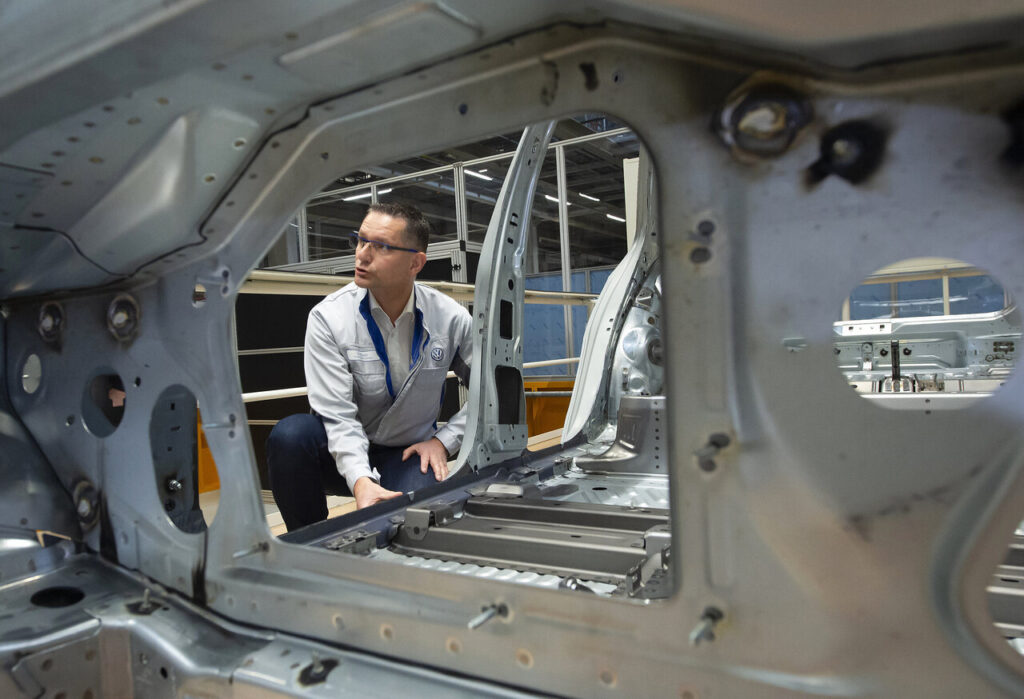
Over 115 years the auto industry in the east German town of Zwickau has lived through wrenching upheavals including World War II and the collapse of communism. Now the city’s 90,000 people are plunging headlong into another era of change: top employer Volkswagen’s total shift into electric cars at the local plant.
The world’s largest carmaker is creating its first all-electric plant and phasing out production of the internal combustion-engine cars built by generations of local workers.
The electric transformation raises questions about the long-term prospects of the auto industry, which employs 840,000 people in Germany and millions worldwide, as a source of jobs for communities like Zwickau, which gave the world both the luxury brand Audi and the communist-era Trabant “people’s car.”
Fewer workers will likely be needed, with different skills. And there is no mass market yet for battery-only cars. Volkswagen’s 1.2 billion euros ($1.35 billion) investment is taken as a sign of hope for the community. But the longer term trends for employment across the industry are less certain.