
By: Farhad Manjoo
March 28, 2017
Let’s pretend you have just been picked to run a small island nation. Congratulations!
But don’t settle in to your throne quite yet. A potential catastrophe looms on the horizon. A huge tsunami is coming your way.
Fortunately, there’s hope. Yours is a wealthy island. You can’t prevent the tsunami, but you can prepare your people for the onslaught, and perhaps even mitigate its worst effects. So you make an executive decision — the island will use a huge share of future income to equip each resident with the best-known defense against tsunamis: Every islander gets a parachute.
Wait, how would that work?
The above situation exactly describes the puzzlement among some people in Silicon Valley at the $1.5 trillion Republican tax bill that was approved by the House and Senate this week.
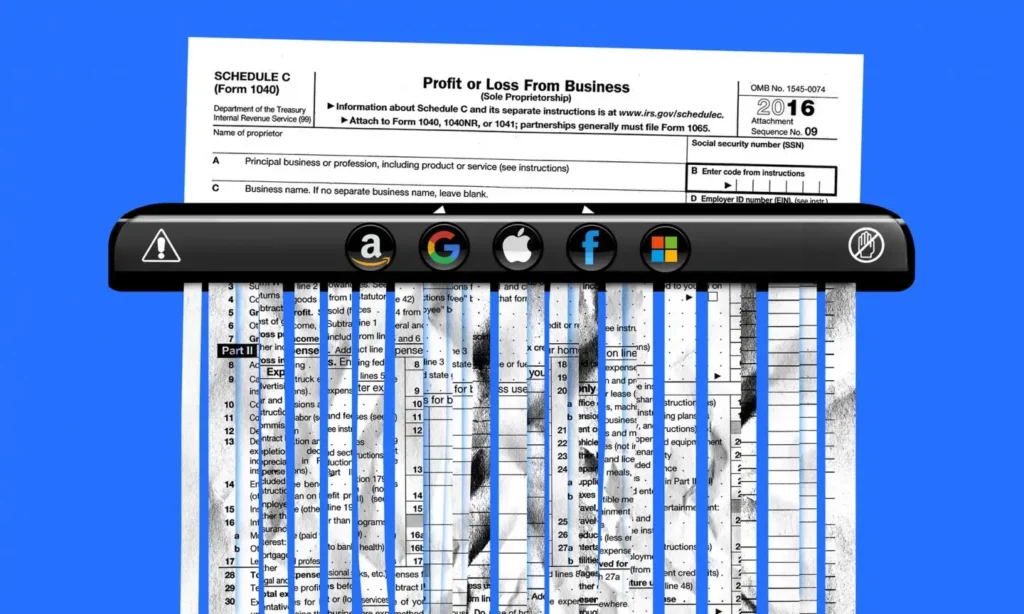
To those who study how tech is altering society and the economy, the bill looks like the wrong fix for the wrong problem. The bill (the parachute) does little to address the tech-abetted wave of economic displacement (the tsunami) that may be looming just off the horizon. And it also seems to intensify some of the structural problems in the tech business, including its increasing domination by five giants — Apple, Amazon, Microsoft, Facebook and Alphabet, Google’s parent company — which own some of the world’s most important economic platforms.