
By: The Economist
August 8, 2019
FOR A TIME, the humans seemed to be winning. The Metropolitan Police’s squad of “super-recognisers” was lauded for its uncanny ability to recall faces in video footage. The officers spotted sex-offenders in crowds of thousands and nabbed a thief who had pinched more than £100,000 ($122,000) of luxury goods. Technology was not nearly as reliable. One of the super-recognisers identified 180 of the 4,000 suspects captured on camera during riots in 2011, whereas software spotted only one. “Computers are no match for the super-recognisers,” boasted the unit’s boss.
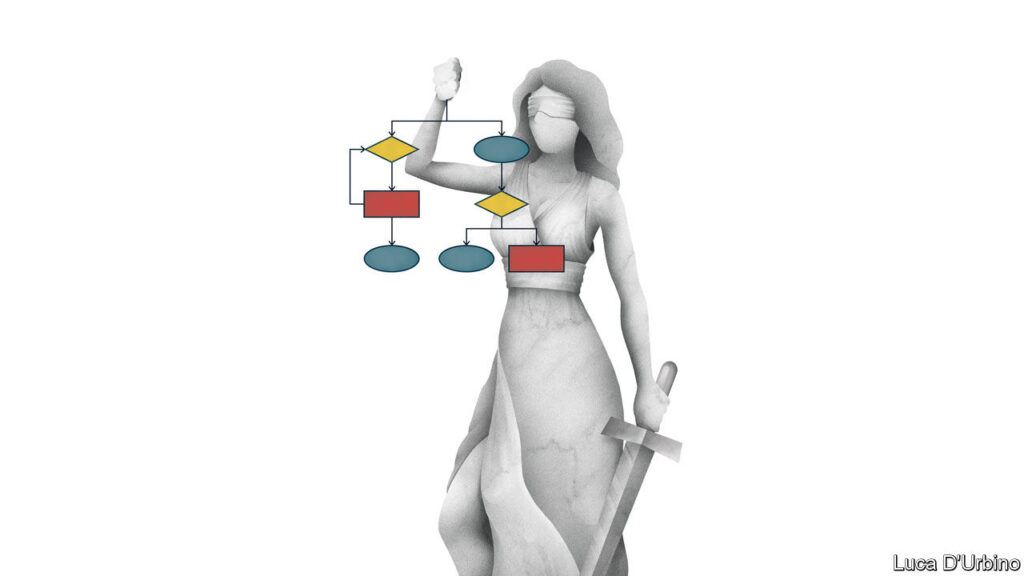
Now the computers are fighting back. Many of the 43 police forces in England and Wales are experimenting with algorithmic technology that could render the copper’s nose redundant. Several use programs to predict where and when crimes are likely to occur. Cambridge University helped Durham Constabulary design an algorithm to estimate the likelihood of a suspect reoffending. It helps the authorities decide whether someone should be granted bail or qualify for rehabilitation as an alternative to prosecution. At least one force is keen to install microphones on “smart lamp-posts” to gather intelligence in crowds. Even the cherished super-recognisers will be outdone once facial-recognition algorithms improve, predicts Rick Muir of the Police Foundation, a think-tank.