
By: The Economist
November 28, 2019
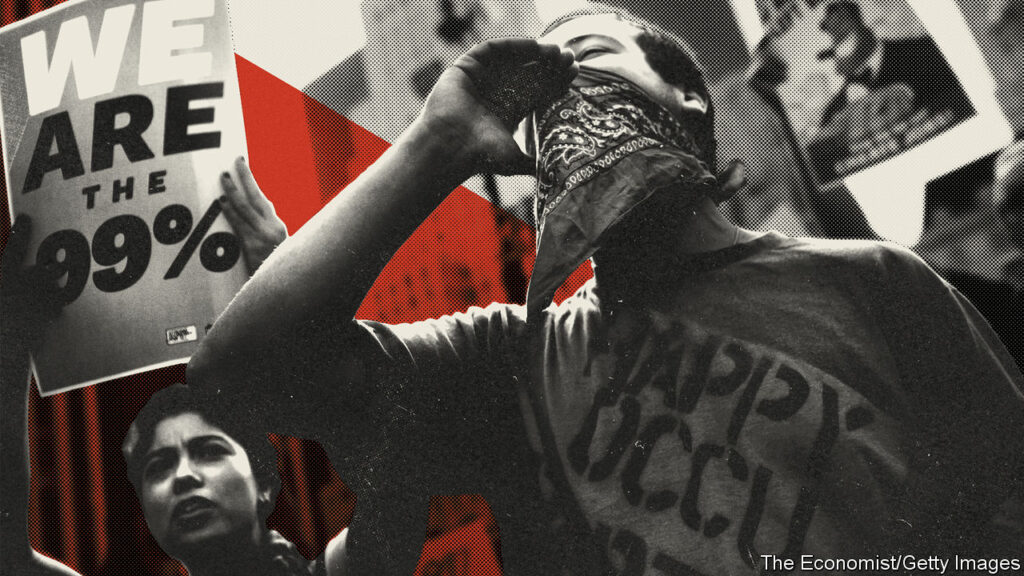
OVER A DECADE before thousands of protesters gathered in Zuccotti Park in New York in 2011, a little-known researcher in France sat down to write about income inequality in a new way. “The focus of our study consists in comparing the evolution of the incomes of the top 10%, the top 1%, the top 0.5%, and so on,” Thomas Piketty wrote in a paper in 1998. With his long-term co-author, Emmanuel Saez, Mr Piketty pioneered the use of tax data over survey data, thereby doing a better job of capturing the incomes of the richest. He revealed that “the 1%” had made out like bandits at the expense of “the 99%”. His research gave Occupy Wall Street its vocabulary.
What followed was an explosion of research into the causes and consequences of a surge in inequality across the rich world. In “Capital in the Twenty-First Century”, a bestseller first published in 2013, Mr Piketty argued that under capitalism rising inequality was the normal state of affairs.