
By: Cassady Rosenblum
April 21, 2017
As Highway 119 cleaves through the mountains of eastern Kentucky, exposed bands of black gold stretch on for miles – come get us if you can, they tease. And for years, miners did: they had good employment that earned them upwards of $70,000 a year and built a legacy of blue-collar pride in the region. “We felt like what we did was important,” says Rusty Justice, a self-described entrepreneur who hauled his first truck of coal in eighth grade. And it was. In 2004, coal powered half of America’s electrical needs.
The burrowers: copper mine’s fate hints at light at the end of tunnel for Michigan
Read more
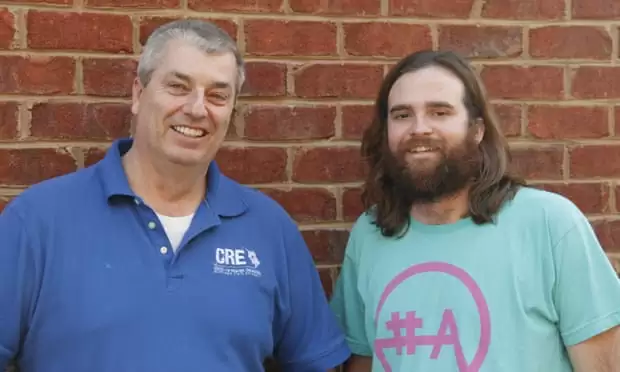
But by 2011, Justice and his business partner, Lynn Parish, who worked in coal for 40 years, began to worry. Natural gas was enjoying an uptick that would later turn into a surge thanks to new fracking technologies, and the men could see “Obama wasn’t going to be kind” to them. So the two coal men from Pikeville began thinking about how they could diversify.
Don’t get them wrong: coal in Kentucky is still very much king. But it is king the same way Queen Elizabeth is the monarch of the UK: a house of power to be revered, but no longer counted on for daily providence. For that, coal country must transform itself into something else, a new place on the map the hopeful call “Silicon Holler”