
By: The Conversation
August 7, 2018
When you purchase a product, I imagine you hope that the product was made with attention to human rights: that production occurred without unfair wages, human trafficking, forced or child labour, discrimination, abuses, or safety hazards. Perhaps you also hope that the company producing the item is conscious of avoiding environmental and ecological damage. But in reality, many products are made in factories where conditions are far from humane or ethical. In many instances, we know very little about the way products are made.
In some cases, this can lead to disaster. Take the 2013 Rana Plaza disaster in Bangladesh, which killed more than 1,100 workers who were engaged in productions of garments for big brands such as Inditex, Mango, Loblaw, Primark, and Walmart. Such a devastating incident reminds us that corporate social responsibility (CSR) can be a matter of life and death.
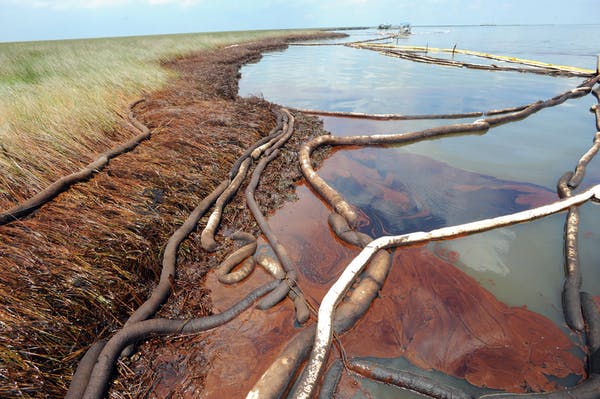
The idea that corporations should respect human rights and the environment has been around for a long time. But it only started to be seen in legal terms fairly recently. The term CSR began to be widely used in 1990s, when sweatshops supplying garments to Nike came to the world’s attention through widespread media coverage. It gains further traction each time the world experiences corporate social and environmental problems (BP’s 2010 Deepwater Horizon oil spill for example).